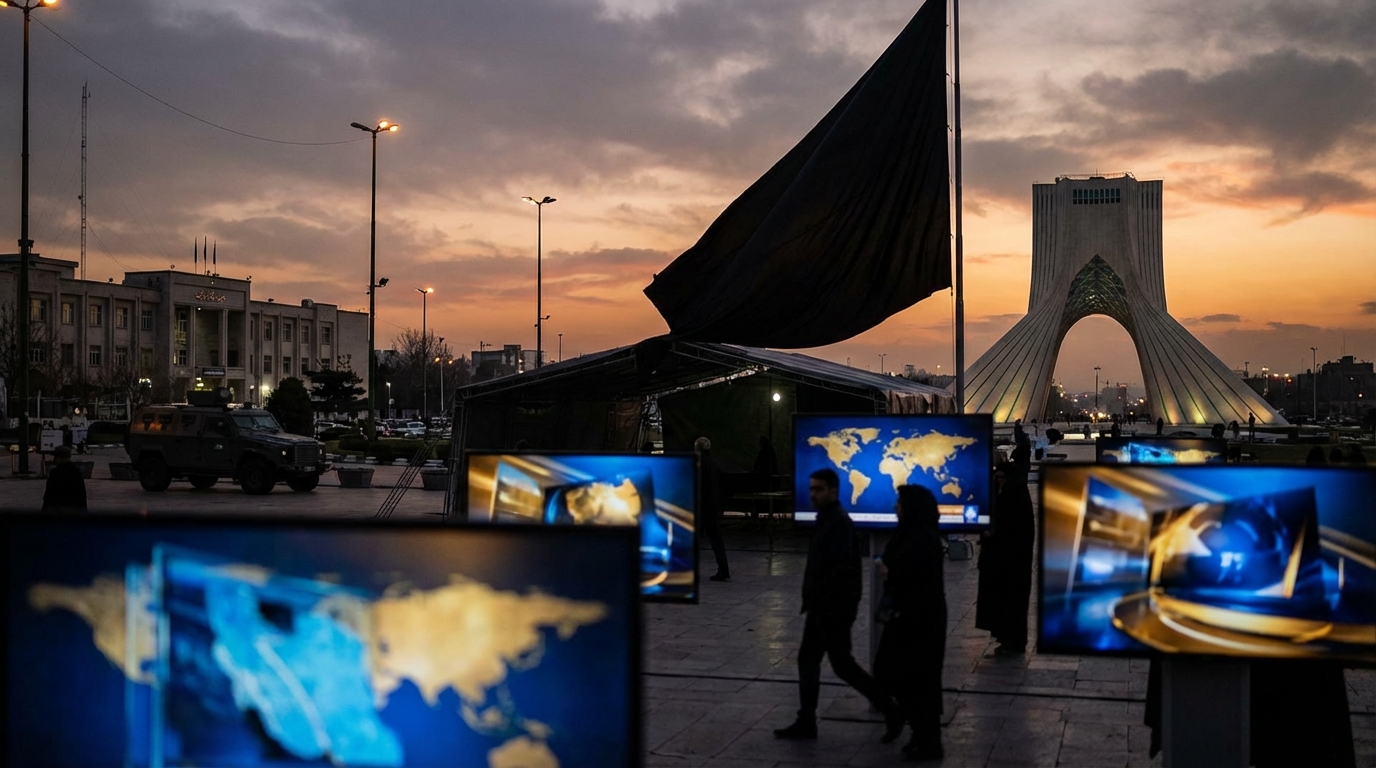
The death of Ayatollah Ali Khamenei, Iran's supreme leader, has been confirmed following a series of U.S.-Israeli military strikes aimed at regime change in Iran. Khamenei's death, after nearly 37 years of leadership, raises significant concerns about the future stability of Iran and the broader Middle East region [1][3].
What Happened
- Ayatollah Ali Khamenei was killed during coordinated U.S.-Israeli missile strikes, which also reportedly targeted several high-ranking Iranian military officials [10][12].
- The strikes have led to widespread chaos in Iran, with reports of protests and celebrations in various cities, reflecting a divided public sentiment regarding Khamenei's legacy [8][9].
- In retaliation, Iran has launched strikes against U.S. bases and allies across the Middle East, resulting in at least one reported casualty from missile debris in the UAE [6][14].
- U.S. President Donald Trump characterized Khamenei's death as a form of justice for the Iranian people, reiterating calls for regime change [3][10].
- International reactions have varied, with some countries, including Australia, expressing concerns over the legality of the strikes while urging Iran to cease retaliatory actions [5][15].
- Following the strikes, ship traffic in the Strait of Hormuz, a critical maritime route, plummeted by 70%, indicating heightened tensions and potential disruptions to global trade [16].
Why It Matters
The death of Khamenei represents a pivotal moment in Iranian politics and regional dynamics. As the second supreme leader of Iran, Khamenei was instrumental in shaping the country's foreign and domestic policies, often through a hardline approach that suppressed dissent and expanded Iran's influence in the region. His absence creates a power vacuum that could lead to internal strife as various factions vie for control [4][10].
Moreover, the U.S.-Israeli strikes signal a significant escalation in military engagement with Iran, which could provoke further retaliatory actions not only from Iran but also from its regional allies. The potential for a broader conflict in the Middle East is heightened, as Iran's response may involve targeting U.S. interests and allies across the region [6][11].
The geopolitical implications extend beyond immediate military responses. The strikes and Khamenei's death could embolden other nations in the region to reassess their security strategies and alliances. Countries like Saudi Arabia and Israel may feel a temporary sense of advantage, but the long-term stability of the region remains uncertain as Iran's next leadership steps into a fraught political landscape [4][11].
Signals To Watch (Next 72 Hours)
- Monitor Iranian military responses, particularly any coordinated attacks against U.S. bases or allies in the region, which could escalate tensions further.
- Watch for developments in Iranian domestic politics as factions within the country may begin to position themselves for leadership roles in the wake of Khamenei's death.
- Observe international diplomatic responses, especially from key players like Russia and China, regarding the legitimacy of the U.S.-Israeli strikes and their implications for regional stability.
- Keep an eye on maritime traffic in the Strait of Hormuz, as continued disruptions could impact global oil supply and prices.
- Track public sentiment within Iran, as protests or celebrations could indicate the populace's reaction to the power shift and influence future political dynamics.
- Assess the potential for new military alliances or coalitions forming in response to the changing power dynamics in the region.
- Evaluate the U.S. administration's next steps, particularly regarding military engagement and diplomatic efforts to stabilize the situation.
The situation remains fluid, and the coming days will be critical in shaping the future of Iran and its role in the Middle East.
Sources
- Live Updates: Iran Says Supreme Leader Died During U.S.-Israeli Strikes — NYT World · Mar 01, 2026
- US-Israel war on Iran: Ayatollah Ali Khamenei confirmed dead by state media – latest reports — The Guardian World · Mar 01, 2026
- Ayatollah Ali Khamenei, Hard-Line Cleric Who Made Iran a Regional Power, Is Dead at 86 — NYT World · Mar 01, 2026
- News live: flights from Australia to Middle East cancelled; Albanese says Iran’s nuclear program a ‘threat to global peace’ — The Guardian World · Mar 01, 2026
- Iran Hits Back Across the Mideast, Targeting U.S. Bases and Allies — NYT World · Mar 01, 2026
- Iranians Take to Streets to Celebrate Khamenei’s Death — NYT World · Mar 01, 2026
- The attacks touched off protests across the United States and abroad. — NYT World · Mar 01, 2026
- Iran state media confirms killing of Ayatollah Ali Khamenei following US-Israeli missile strikes — The Guardian World · Mar 01, 2026
- Netanyahu’s war? Analysts say Trump’s Iran strikes benefit Israel, not US — Al Jazeera · Mar 01, 2026
- See a Breakdown of Ayatollah Khamenei and Other Top Iranian Leaders — NYT World · Mar 01, 2026
- What to Know About the U.S. Attacks on Iran — NYT World · Mar 01, 2026
- Penny Wong backs Israeli and US strikes on Iran as Labor group decries ‘sycophantic capitulation to militarism’ — The Guardian World · Mar 01, 2026
- After Iran Attacks, Ship Traffic Plummets in Strait of Hormuz — NYT World · Mar 01, 2026