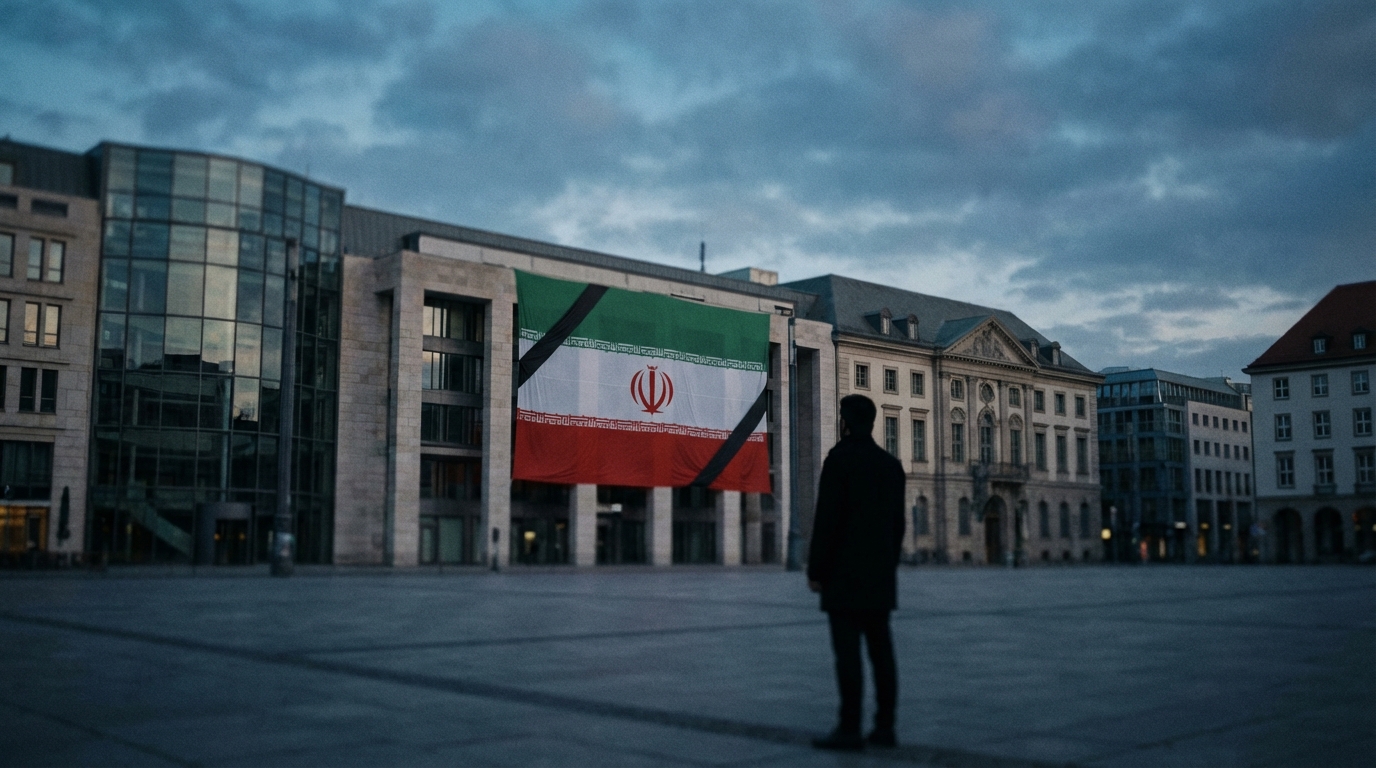
The death of Ayatollah Ali Khamenei, Iran's supreme leader, has sent shockwaves through the country and the broader Middle East. Confirmed by state media, Khamenei's death occurred amid escalating military actions by the United States and Israel against Iran, raising urgent questions about succession and the potential for increased conflict in the region [1][5].
What Happened
- Ayatollah Ali Khamenei was killed in a series of U.S.-Israeli strikes, which have been characterized by U.S. President Biden as 'justice for the people of Iran' [1][5].
- In the wake of Khamenei's death, celebrations erupted in various Iranian cities, although some citizens expressed private mourning on social media [2].
- Iran has launched retaliatory strikes targeting U.S. bases and allies across the Middle East, with reports of missile debris causing casualties in the UAE [16].
- As tensions escalated, airspace closures in the Middle East led to the cancellation of over 1,000 flights, stranding hundreds of thousands of travelers [14].
- Speculation about Khamenei's successor has intensified, with various factions within Iran's political landscape vying for influence [6].
- Explosions were reported in multiple cities, including Tehran, as Iranian forces responded to the strikes, indicating a potential for further military escalation [17].
Why It Matters
The death of Khamenei marks a pivotal moment in Iranian history, as he was a central figure in shaping the Islamic Republic's policies both domestically and internationally. His leadership was characterized by a hardline stance against the West and a commitment to expanding Iran's influence in the region. The uncertainty surrounding his succession could lead to a power struggle among various factions, potentially destabilizing the already volatile political landscape in Iran [15].
Moreover, the immediate military responses from Iran highlight the potential for a broader conflict in the Middle East. The strikes on U.S. bases and allies signal Tehran's willingness to retaliate aggressively, which could provoke further military actions from the U.S. and Israel. This cycle of retaliation raises concerns about a wider regional war, particularly as other nations in the area react to the unfolding situation [12][16].
Internationally, Khamenei's death and the subsequent military actions have implications for global security and economic stability. The closure of airspace and cancellation of flights disrupt not only regional travel but also international trade routes, which could have cascading effects on global markets. The situation demands close monitoring as it evolves, given the interconnected nature of geopolitical events in the region [14].
Signals To Watch (Next 72 Hours)
- Monitor developments regarding Iran's leadership succession, particularly any announcements from the Iranian government or key political figures [6].
- Watch for further military responses from Iran, especially any strikes targeting U.S. interests or allies in the region [16].
- Observe international reactions, particularly from European and Middle Eastern nations, regarding the U.S.-Israeli military actions and Iran's retaliatory strikes [12].
- Keep an eye on air travel disruptions and the reopening of airspace in the Middle East, as this will impact global travel and trade [14].
- Assess the potential for protests or civil unrest within Iran, as the population reacts to both Khamenei's death and the ongoing military conflict [18].
- Evaluate the responses from regional powers, such as Saudi Arabia and Turkey, as they may seek to capitalize on the instability in Iran [15].
- Track any shifts in U.S. foreign policy or military strategy in response to the evolving situation in Iran [5].
The situation remains fluid and requires careful observation as it unfolds.
Sources
- Live Updates: Iran Says Supreme Leader Killed in U.S.-Israeli Strikes — NYT World · Mar 01, 2026
- Iranians Take to Streets to Celebrate Khamenei’s Death — NYT World · Mar 01, 2026
- US-Israel war on Iran: Ayatollah Ali Khamenei confirmed dead by state media; Iran launches fresh strikes – latest reports — The Guardian World · Mar 01, 2026
- Who Could Take Over for Ayatollah Ali Khamenei? — NYT World · Mar 01, 2026
- Explosions rock Dubai, Bahrain, Jordan and Kuwait as war spreads across Middle East — The Guardian World · Mar 01, 2026
- Hundreds of thousands of travellers stranded or diverted amid air space closures in Middle East — The Guardian Business · Mar 01, 2026
- Ayatollah Ali Khamenei, Hard-Line Cleric Who Made Iran a Regional Power, Is Dead at 86 — NYT World · Mar 01, 2026
- Iran Hits Back Across the Mideast, Targeting U.S. Bases and Allies — NYT World · Mar 01, 2026
- New strikes hit Tehran – as it happened — The Guardian World · Mar 01, 2026
- The attacks touched off protests across the United States and abroad. — NYT World · Mar 01, 2026