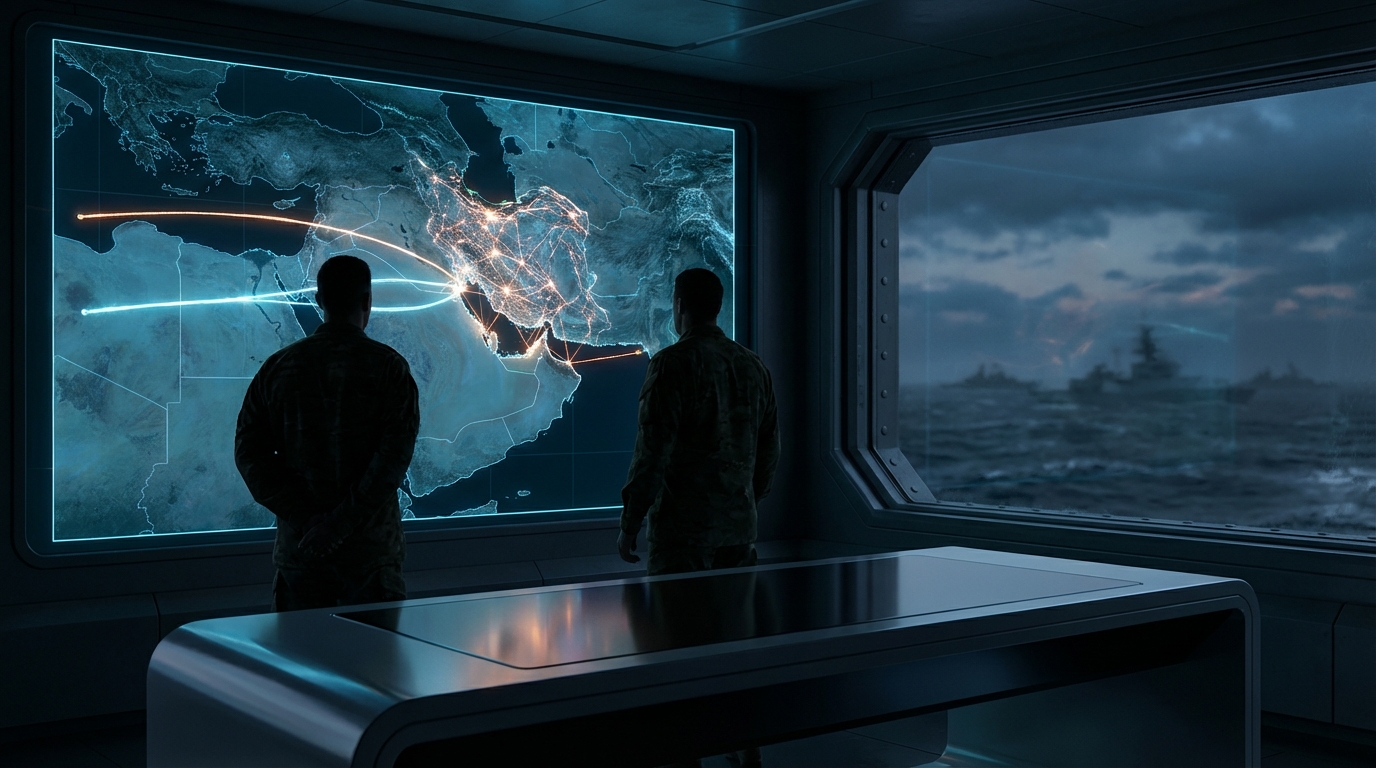
The geopolitical landscape in the Middle East is undergoing a significant shift as the UK has granted the US permission to utilize British military bases for defensive strikes against Iran. This decision, articulated by UK Prime Minister Keir Starmer, is a response to what he describes as Iran's increasingly reckless behavior, which poses risks to British lives and interests in the region [1]. The backdrop to this development includes a recent wave of US-Israeli military actions that have escalated tensions significantly.
What Happened
- The UK government has agreed to allow the US to use its military bases for strikes targeting Iranian missile sites, a move prompted by concerns over Iran's actions [1].
- In a dramatic escalation, Israeli forces executed a targeted strike that resulted in the death of Iran's supreme leader, Ayatollah Ali Khamenei, during a meeting of top Iranian officials [2].
- Following the assassination, the US has intensified its military operations against Iran, with President Trump indicating a willingness to engage in dialogue with the remaining Iranian leadership [13].
- Reports indicate that Iran's ballistic missile launchers have been significantly reduced, with Israeli officials claiming a 50% decrease in operational capabilities [14].
- The conflict has led to serious travel disruptions, particularly affecting Australians in the region, as major airlines have suspended operations due to the escalating violence [6].
- Market analysts predict a surge in oil prices as a direct consequence of the conflict, with expectations of volatility in global commodities once trading resumes [12].
Why It Matters
The UK’s decision to support US military action against Iran marks a pivotal moment in international relations, particularly in the context of Western involvement in Middle Eastern conflicts. This collaboration underscores a shared concern over Iran's military capabilities and its potential threat to regional stability. The assassination of Khamenei not only removes a key figure in Iran's political landscape but also raises questions about the future direction of Iranian governance and its implications for US and Israeli interests in the region [10].
As the US and Israel continue their military operations, the potential for retaliatory actions from Iran remains high. Experts warn that the strikes could lead to deeper radicalization within Iran and further destabilize the region, complicating any future diplomatic efforts [10]. The situation is exacerbated by the fact that the US has shifted from a diplomatic approach to a more aggressive military stance, casting doubt on the viability of negotiations with Iran [5].
The economic ramifications of this conflict are already being felt, with stock market investors bracing for fallout as geopolitical tensions rise. The potential for increased oil prices could have a cascading effect on global markets, particularly as the world grapples with existing economic challenges [8].
Signals To Watch (Next 72 Hours)
- Monitor developments regarding US military operations in Iran, particularly any announcements regarding new strikes or changes in strategy.
- Watch for responses from Iranian leadership, especially any statements or actions that may indicate retaliation against US or Israeli interests.
- Keep an eye on global oil prices as markets react to the ongoing conflict; significant fluctuations could signal broader economic impacts.
- Observe travel advisories and updates from governments regarding citizens in the Middle East, particularly as airlines reassess their operations in light of the conflict.
- Track the political discourse in the UK and US regarding military engagement, especially any shifts in public opinion or legislative responses to the conflict.
- Pay attention to security measures being implemented in major cities, particularly in the US, as authorities respond to potential threats stemming from the conflict [16].
- Evaluate the implications of the UK’s military support for US actions, particularly how this may affect future diplomatic relations with Iran and other regional players.
The situation in Iran remains fluid and complex, with significant implications for regional and global stability.
Sources
- UK to allow US to use British bases for defensive strikes against Iran — The Guardian World · Mar 01, 2026
- How the Assault on Iran Unfolded — NYT World · Mar 01, 2026
- In Turn From Iran Talks to War, U.S. Casts Doubt on Diplomacy — NYT World · Mar 01, 2026
- Iran conflict to cause ‘serious’ travel disruptions as 115,000 Australians remain in region amid cancelled flights — The Guardian World · Mar 01, 2026
- Stock Market Investors Brace for Iran War Fallout — NYT Business · Mar 01, 2026
- What’s Next for Iran? Big Change Seems Certain, but Direction Is Unclear. — NYT World · Mar 01, 2026
- U.S. and Israeli War With Iran Will Likely Send Oil Prices Soaring — NYT Business · Mar 01, 2026
- Trump open to talks with Iran as conflict deepens in Middle East — The Guardian World · Mar 01, 2026
- Iran’s Ballistic Missile Launchers Have Been Cut by Half, Israeli Official Says — NYT World · Mar 01, 2026
- NYPD Steps Up Security After U.S.-Israel Attacks in Iran — NYT World · Mar 01, 2026