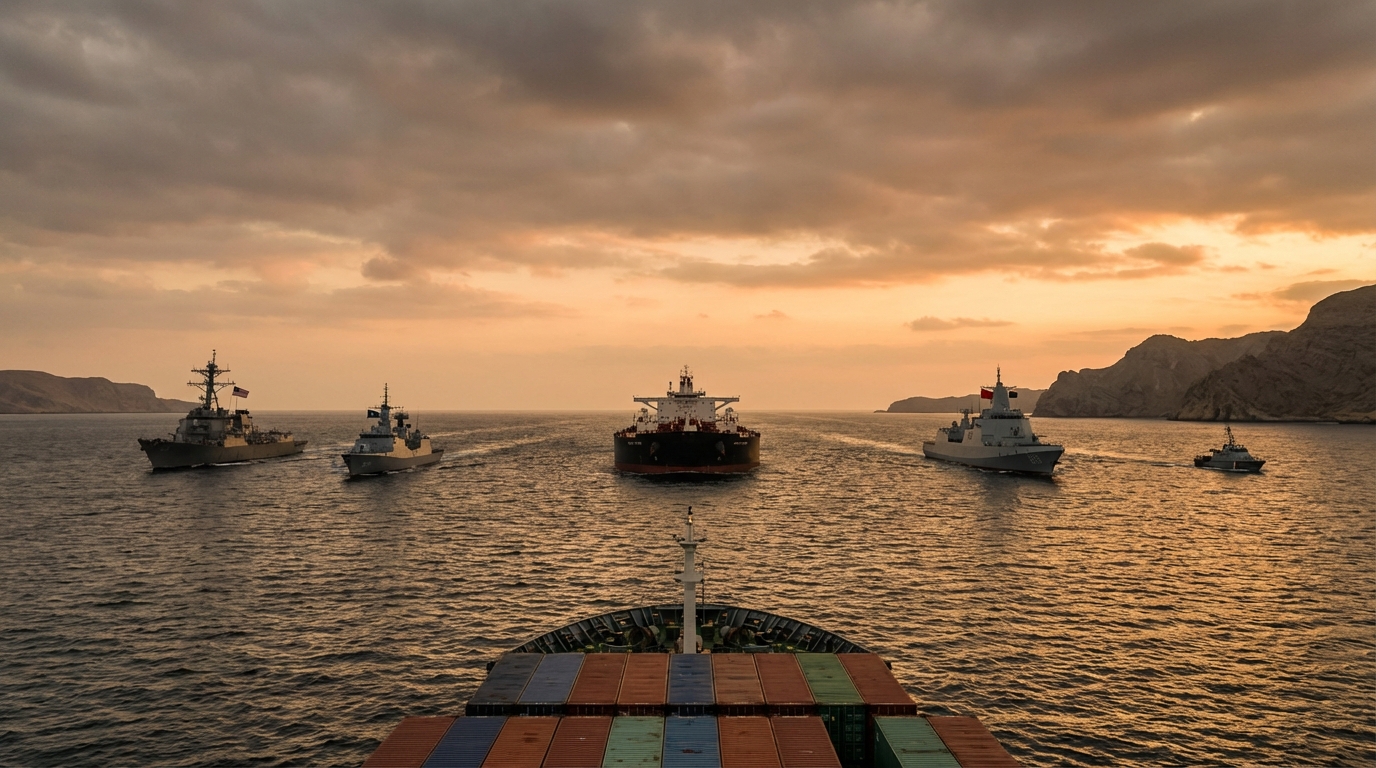
The geopolitical landscape surrounding the Strait of Hormuz has intensified as the conflict involving Iran extends into its third week [8]. In response to the ongoing instability, U.S. President Trump has issued a direct call for NATO and China to join American efforts in securing the critical waterway [8]. This development unfolds concurrently with Israel's stated intention to continue its military operations for at least an additional three weeks, signaling a prolonged period of regional engagement [8].
What Happened
- The conflict involving Iran has now extended into its third week, marking a sustained period of regional instability and military engagement [8]. This duration underscores the complexity and entrenched nature of the current hostilities.
- Israel has publicly communicated its operational planning, indicating an expectation for its military actions to continue for at least an additional three weeks [8]. This projection suggests a deliberate strategy for a prolonged conflict phase.
- U.S. President Trump has publicly called upon two significant international actors, NATO and China, to contribute to the security of the Strait of Hormuz [8]. This demand highlights the U.S. administration's view of the waterway's critical importance and the need for multilateral involvement.
- As of the latest reports, neither NATO nor China has publicly committed to joining the U.S. in these requested security efforts in the Strait of Hormuz [8]. This absence of immediate public endorsement indicates potential diplomatic challenges or differing strategic priorities.
- Separately, the U.S. Defense Department released the identities of six Air Force airmen who perished when their military refueling aircraft crashed on Saturday [2]. This incident serves as a reminder of the operational risks faced by U.S. military personnel globally, even outside direct combat zones.
Why It Matters
President Trump's explicit demand for NATO and China to participate in securing the Strait of Hormuz underscores the U.S. administration's assessment of the waterway's paramount strategic importance [8]. As a global chokepoint for oil shipments and international trade, the stability of the Strait directly impacts global energy markets and economic security. The call for broader international involvement suggests a U.S. desire to distribute the responsibilities and risks associated with maintaining stability in a volatile region, potentially reflecting a shift towards burden-sharing in international security operations.
The current lack of public commitment from both NATO and China to join U.S. efforts in the Strait of Hormuz indicates potential geopolitical friction or fundamental divergences in strategic priorities among major global powers [8]. For NATO, a collective defense organization, a reluctance to engage in this specific operation could signal internal debates regarding its mandate or the perceived direct threat to member states. For China, a non-alignment stance or a focus on its own regional interests might preclude immediate involvement. This situation could complicate U.S. diplomatic initiatives aimed at forming a unified international front for regional security, potentially signaling broader challenges in multilateral cooperation on critical international security issues.
Israel's declaration of a planned three-week continuation of the conflict suggests a prolonged period of military engagement and inherent instability in the Middle East [8]. Such an extended timeline carries significant implications for regional power dynamics, potentially exacerbating existing tensions and increasing humanitarian concerns. Economically, a protracted conflict in a key oil-producing region could lead to sustained volatility in global energy prices and disruptions to shipping routes, impacting international commerce beyond the immediate conflict zone.
The recent loss of six U.S. Air Force personnel in a military refueling aircraft crash, as confirmed by the U.S. Defense Department, serves as a somber reminder of the inherent and continuous risks associated with military operations, even those not directly related to active combat [2]. This incident occurs amidst heightened regional tensions and calls for increased international security commitments, highlighting the constant operational demands placed on U.S. forces globally. It underscores the human cost of maintaining a global military presence and readiness, irrespective of specific conflict zones.
Signals To Watch (Next 72 Hours)
- Official statements or communiqués from NATO regarding President Trump's request for assistance in securing the Strait of Hormuz [8].
- Any public responses or diplomatic actions from China concerning the U.S. call for involvement in the Strait of Hormuz [8].
- Updates from Israeli authorities regarding the status or intensity of their military operations, particularly concerning the projected three-week timeline [8].
- Diplomatic engagements or high-level discussions between the U.S. and its allies or partners concerning maritime security in the Persian Gulf region [8].
- Media reporting on shipping activity or security incidents within the Strait of Hormuz that could indicate a change in operational tempo or threat level [8].
- Further U.S. Defense Department announcements related to regional deployments, operational posture, or investigations into recent military incidents [2, 8].
- International reactions or proposals from other nations or multilateral bodies aimed at de-escalation or burden-sharing in the Middle East conflict [8].
The situation in the Middle East and the international response to U.S. security demands warrant close monitoring.
Sources
- Here are the names of the 6 Air Force airmen who died when their refueling plane crashed — NPR National · Mar 16, 2026
- Trump demands NATO and China police the Strait of Hormuz. So far they aren't joining — NPR National · Mar 16, 2026