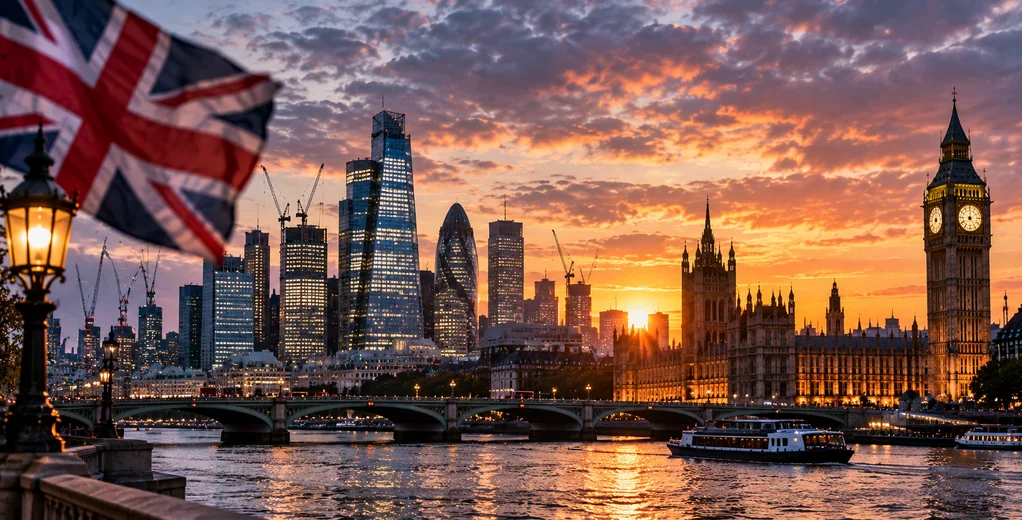
Recent global events underscore the escalating impacts of climate change, with the United Kingdom experiencing a 'firewave' and New York City grappling with diminished air quality due to wildfire smoke originating from Canada [1,4]. Concurrently, Europe has recorded significant heatwave-related fatalities in May and June, highlighting widespread climate vulnerabilities across continents [3]. These environmental challenges unfold as the renewable energy sector faces critical infrastructure needs to effectively integrate distributed energy resources into existing grids [2].
What Happened
- The United Kingdom is currently experiencing a 'firewave,' a term indicating a period of unusually high wildfire activity and associated environmental stress [1].
- New York City's air quality has significantly deteriorated, with residents reporting stinging eyes and the smell of burning wood, as smoke from Canadian wildfires drifted south across a vast area of the US, prompting the National Weather Service to issue an air-quality alert [4].
- Europe recorded a substantial number of heatwave-related deaths during May and June, with specific methodologies employed to accurately count and attribute these fatalities [3].
- A recent analysis indicates a direct link between fossil fuel emissions and heat-related deaths globally, further emphasizing the human cost of a warming climate [1].
- While devices for Distributed Energy Resources (DERs) are widely available, utilities require significant investment in new infrastructure to effectively dispatch, manage, and integrate these assets into the existing power grid [2].
- In Texas, a sustainable practice is emerging where sheep are utilized for vegetation management on solar farms, demonstrating an integrated approach to renewable energy development that also supports agricultural practices [5].
- London's Natural History Museum has taken a prominent role in spotlighting climate issues, contributing to public awareness and education on environmental challenges [1].
Why It Matters
The convergence of severe climate events across multiple continents underscores the increasing frequency and intensity of climate change impacts, posing significant challenges to public health and infrastructure. The 'firewave' in the UK [1] and the extensive wildfire smoke affecting New York City, which led to widespread air quality alerts and visible haze [4], illustrate how localized environmental crises can have far-reaching consequences, impacting public health, infrastructure, and daily life across vast geographical areas. The documented heatwave deaths in Europe during May and June [3], alongside a broader analysis linking fossil fuel emissions directly to heat-related fatalities [1], highlight the critical human toll of a warming planet and the urgent need for robust adaptation and mitigation strategies. These events also put pressure on public institutions, such as London's Natural History Museum, to actively engage in climate education and awareness [1].
These escalating climate challenges occur at a pivotal moment for global energy transitions. While the proliferation of Distributed Energy Resources (DERs) offers significant potential for decarbonization and enhanced grid resilience, the current lack of adequate utility infrastructure to effectively dispatch and manage these devices represents a substantial bottleneck [2]. This infrastructure gap impedes the full integration of renewable energy sources, potentially slowing the pace of emissions reduction efforts necessary to address the very climate extremes currently being observed. The ability to efficiently manage DERs is crucial for optimizing renewable energy output and ensuring grid stability, especially as demand fluctuates under extreme weather conditions.
Furthermore, innovative approaches like the integration of sheep into Texas solar farms [5] demonstrate practical, sustainable solutions that can optimize land use and enhance the environmental benefits of renewable energy projects. Such initiatives are crucial for building a more resilient and sustainable energy future, offering models for how renewable energy development can coexist with and even benefit local ecosystems and economies. However, their broader impact is contingent on overcoming systemic infrastructure and policy hurdles that currently limit the widespread adoption and effective deployment of both large-scale and distributed renewable energy solutions. The ongoing climate events serve as a stark reminder of the imperative to accelerate both climate adaptation and the transition to a fully integrated, renewable energy grid, supported by necessary infrastructure investments.
Signals To Watch (Next 72 Hours)
- Continued monitoring and public health advisories regarding air quality in New York City and other regions impacted by Canadian wildfire smoke [4].
- Updates from UK authorities on the progression and containment efforts related to the 'firewave' [1].
- Further data releases or expert commentary on the final count and attribution of Europe's May and June heatwave deaths [3].
- Statements from energy utilities or grid operators regarding immediate plans or pilot programs for enhancing Distributed Energy Resources (DERs) dispatch infrastructure [2].
- Public engagement activities or initial policy recommendations stemming from London's Natural History Museum's climate spotlight [1].
- Media coverage or official responses to the analysis linking fossil fuel emissions to global heat-related deaths [1].
- Reports on new partnerships or expansions of agrivoltaic projects, such as those integrating livestock management with solar energy, following the Texas example [5].
The confluence of severe environmental events and critical energy infrastructure needs demands immediate and coordinated global attention.
Sources
- Debriefed 17 July 2026: UK ‘firewave’ | Fossil-fuelled heat deaths | London’s Natural History Museum spotlights climate — Carbon Brief · Jul 17, 2026
- The grid has the devices. Now utilities need the infrastructure to dispatch DERs — Renewable Energy News · Jul 17, 2026
- Q&A: Europe’s May and June heatwave deaths – and how they were counted — Carbon Brief · Jul 17, 2026
- ‘My eyes were stinging’: New Yorkers navigate smoky air and soaring temperatures — Guardian Climate · Jul 17, 2026
- In Texas, solar and sheep go hand in hand – This Week in Cleantech — Renewable Energy News · Jul 17, 2026